How to compare earring length and weight before buying
Use a favourite pair as a reference when comparing earring length and weight. A ruler, the listing and a few minutes to check the fastening and movement will help you choose.
Maison Miréa editorial team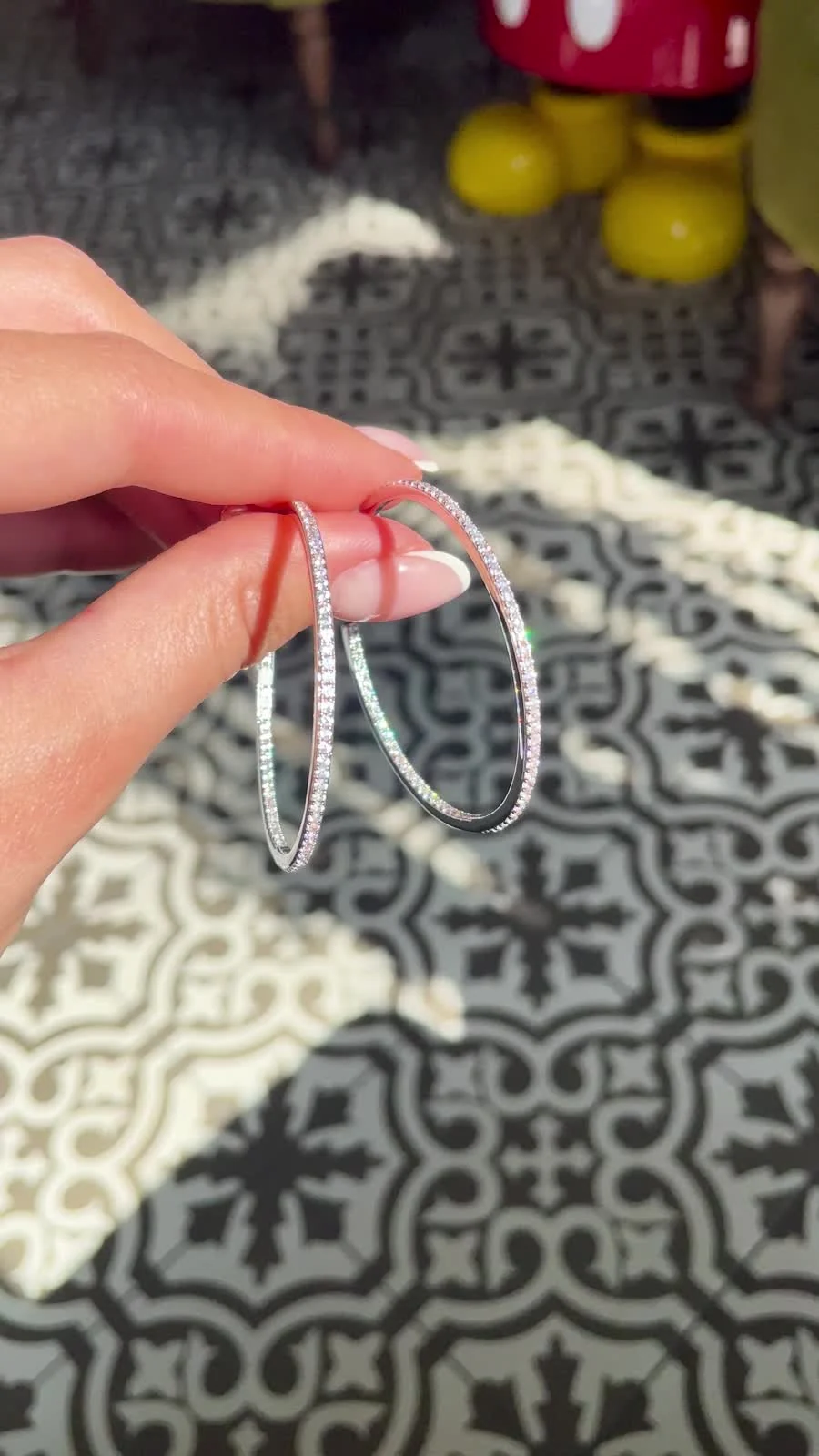
Start with a pair you happily wear for several hours. It gives you two personal reference points: how far the earrings fall below the piercing and the weight you already know feels comfortable.
Measure a pair you already own
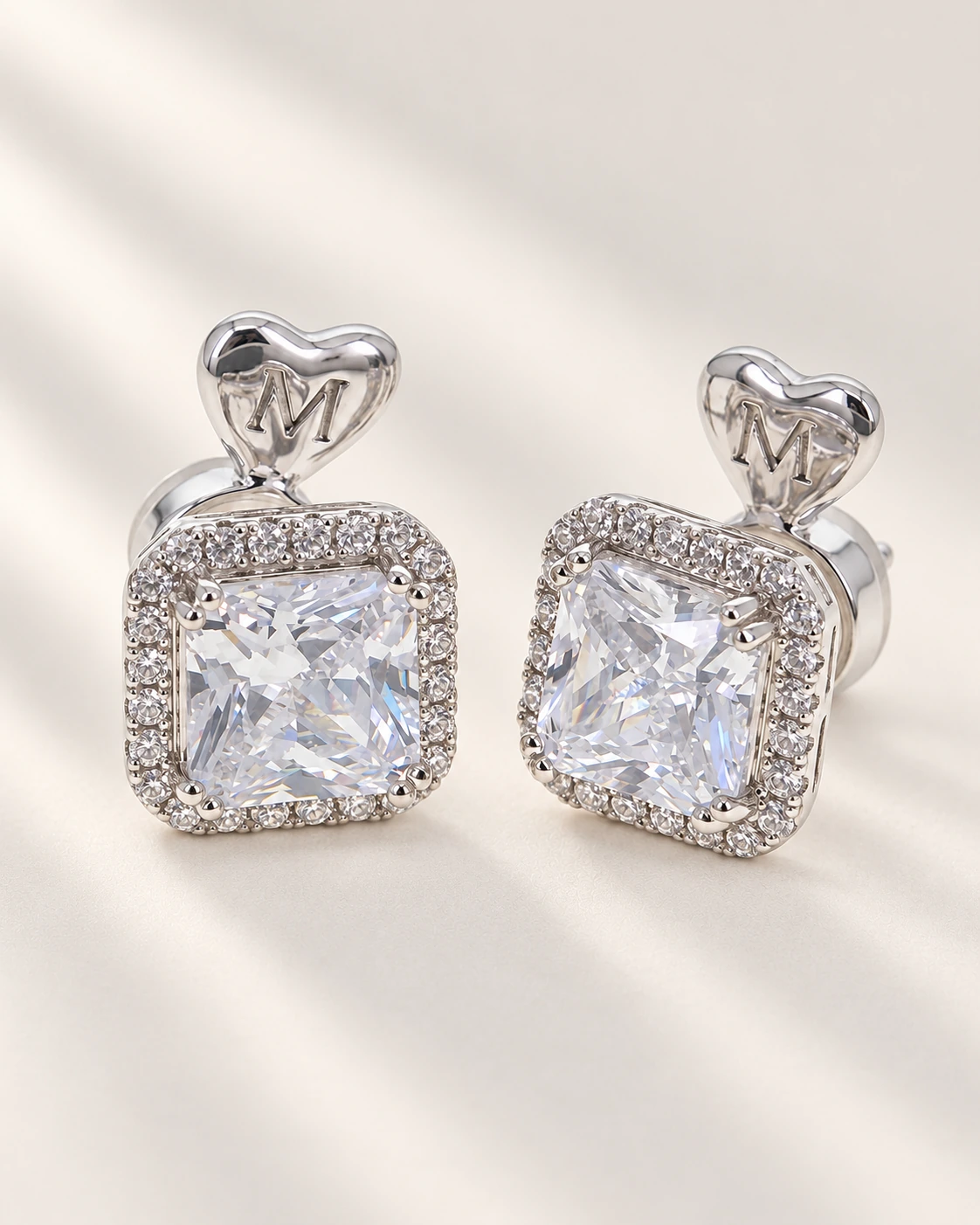
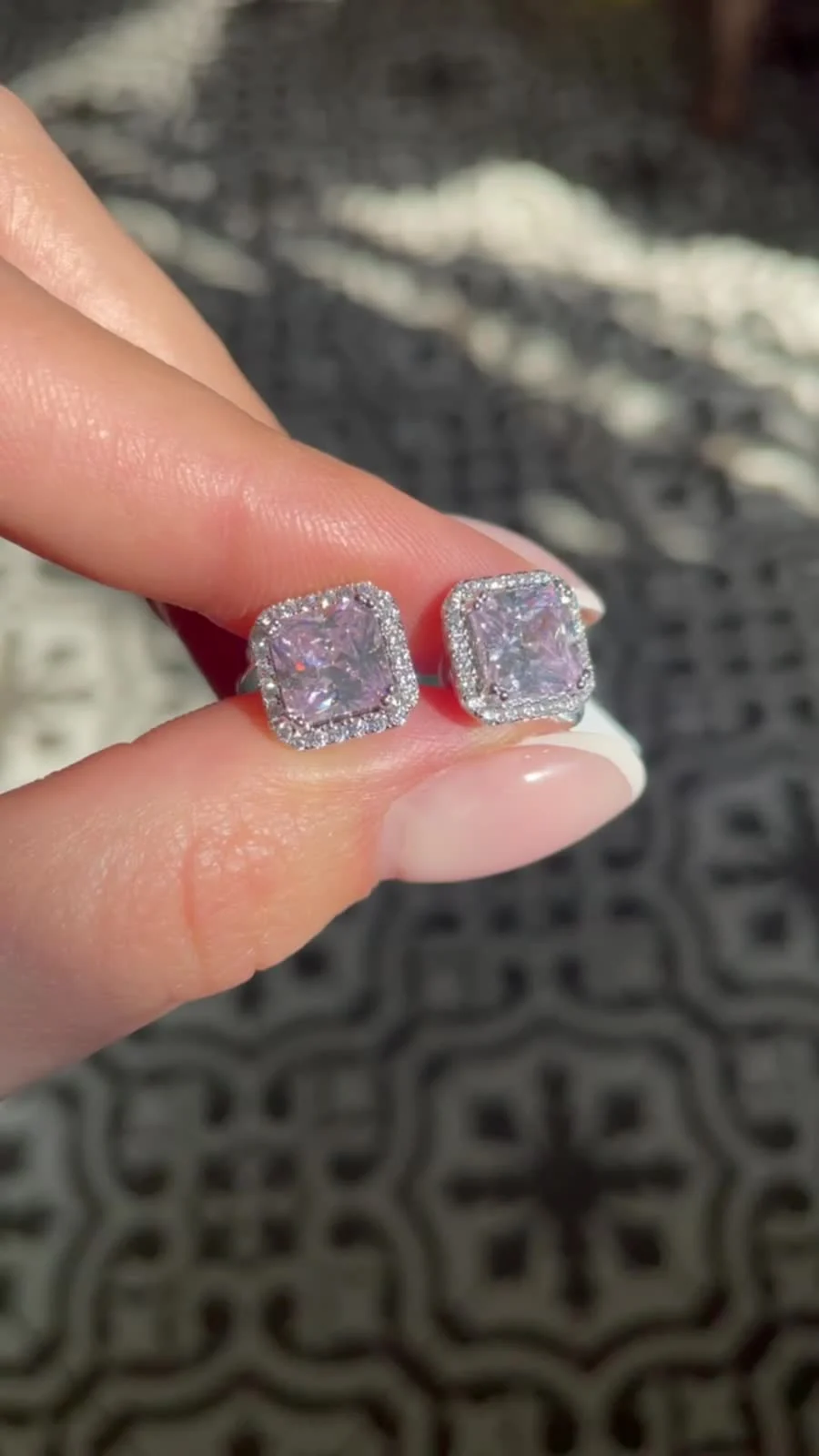
Lay one earring beside a ruler. For its visible drop, measure from where the post sits in the piercing to the lowest edge. Overall height can differ: part of the halo on Éclat Céleste White, for example, sits above the piercing. If you have jewellery scales, weigh one earring with its back. Write down the drop in millimetres and the single-earring weight in grams.
Read the weight correctly
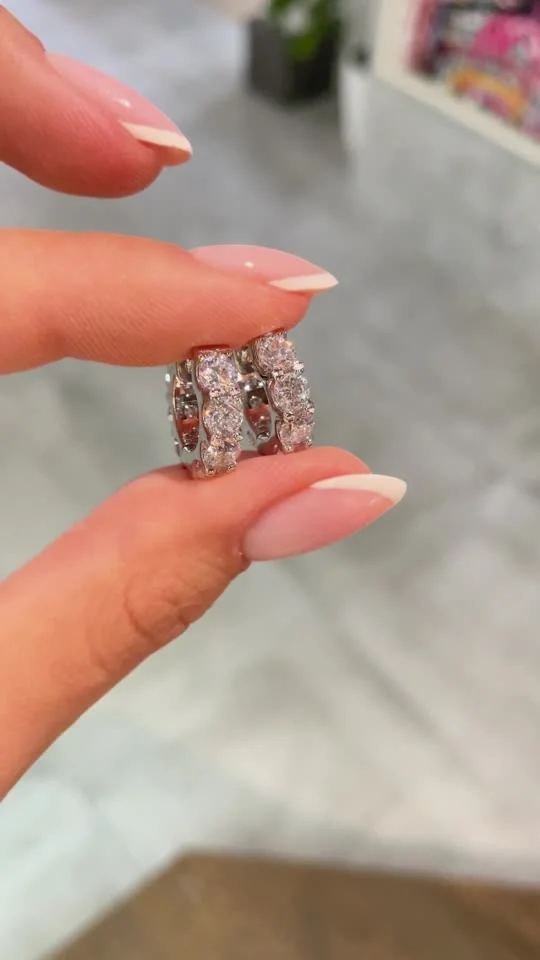
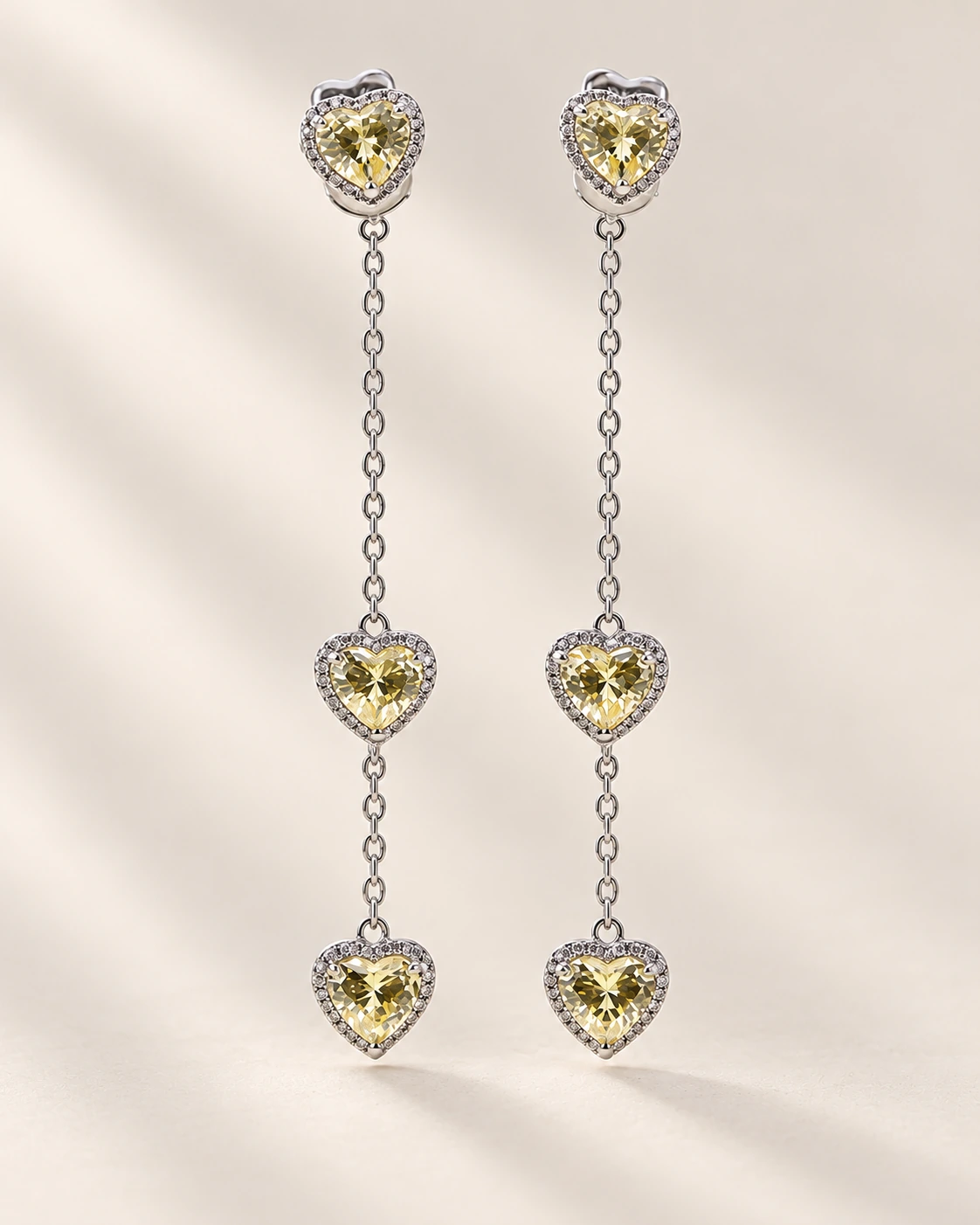
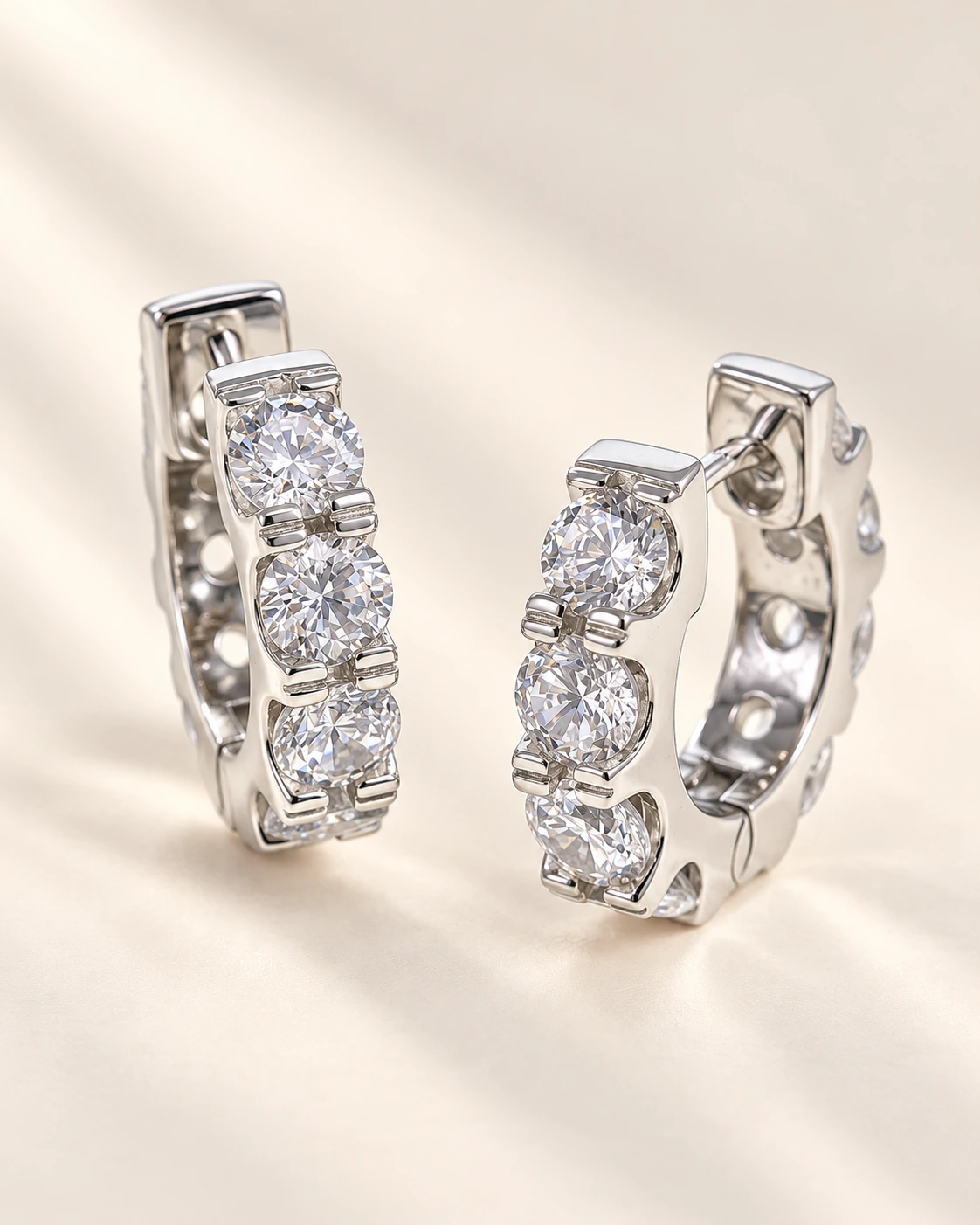
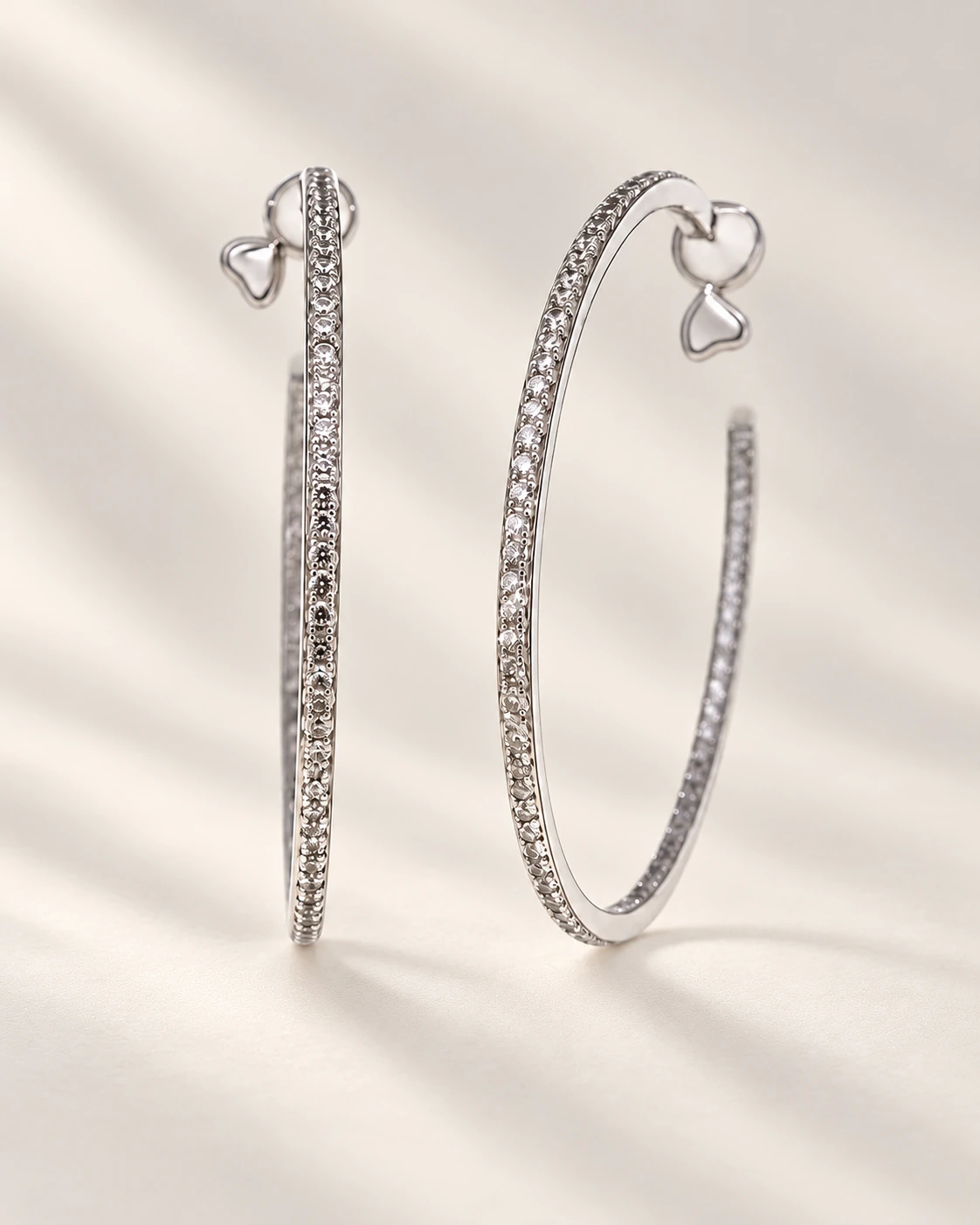
The listings give 4.3 g for Éclat Céleste White, 6.33 g for Rivière Épure and 9.4 g for Courbe Orbite. These figures do not specify whether one earring or both were weighed. “Pair” describes what comes in the set. Ask for the weight of one earring with its back before comparing it with your own measurement. For the length, ask for the distance in millimetres from the post to the lowest edge.
If the seller confirms a pair weight, weigh both of your reference earrings with their backs for comparison. For asymmetrical designs, ask for the weight on each side.
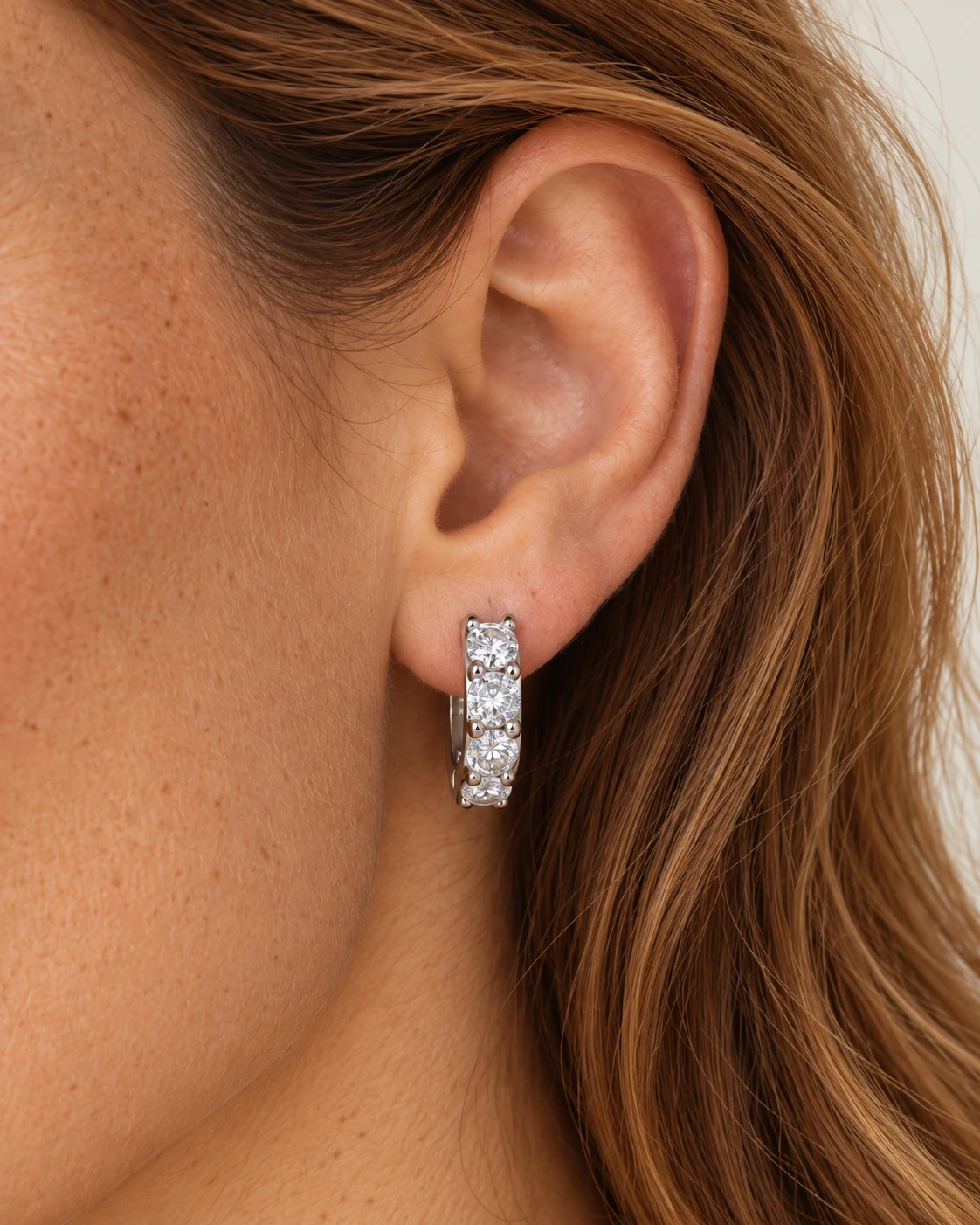
Compare a hoop with a moving drop
The elongated outline of Courbe Orbite holds its shape, while fine chains let the drops on Rivière Cœurs Dorés move separately. When trying them on, turn your head, lift your phone and put on your usual scarf. See whether the piece touches the collar and whether the front stays in position. A moving drop can feel different from a compact design even when their weights are close.
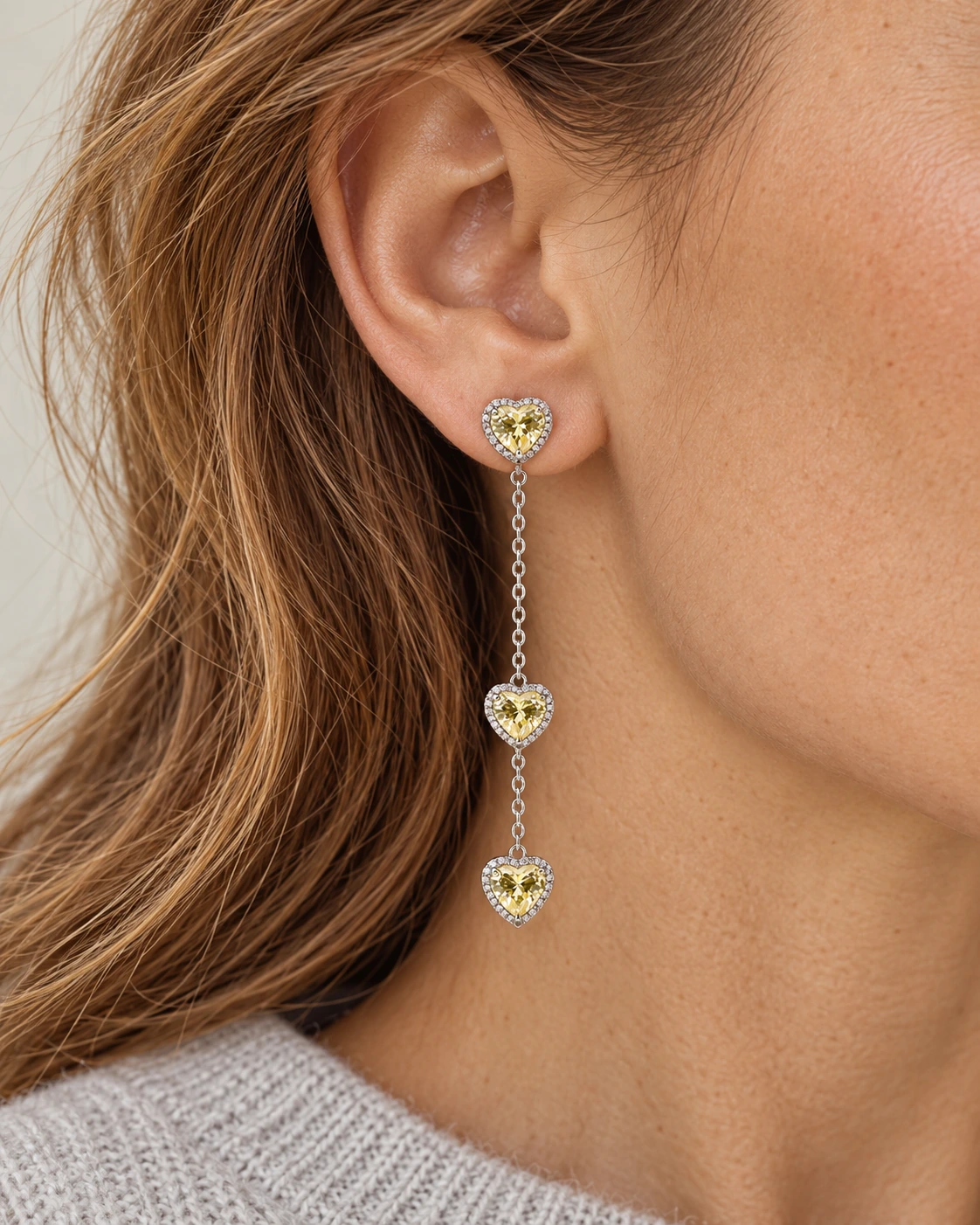
When to ask for a side view
For an online purchase, look for a side view on the ear to judge how far the setting projects. With a small hoop, check the clearance between the lobe and the inside curve. This varies with piercing position. A photograph without a scale cannot give a reliable measurement in millimetres.
Read a ruler photograph
Place the ruler in the same plane as the earring and photograph straight down. Mark the piercing point and lowest edge. Straighten articulated links without pulling them tight. If a listing gives only overall height, ask for drop from the piercing rather than estimating the part above it.
When the scale cannot resolve one earring
If the display jumps or reads zero for a single earring, avoid recording it as an exact weight. Tare the empty liner and try both earrings together. Label the result as pair weight including backs. For asymmetric earrings request the individual weights.
Same grams, different movement
Compare a rigid earring and a swinging one while turning your head and leaning forward. Watch whether the drop changes direction or touches your cheek. This helps separate the sensation of movement from weight. No universal gram cutoff predicts how a pair will feel on you.
A closer look