How to choose an ear cuff: shape, fit and set contents
Learn what to look for in an ear cuff photo, what to try in person and how to wear a single piece with lobe earrings.
Maison Miréa editorial team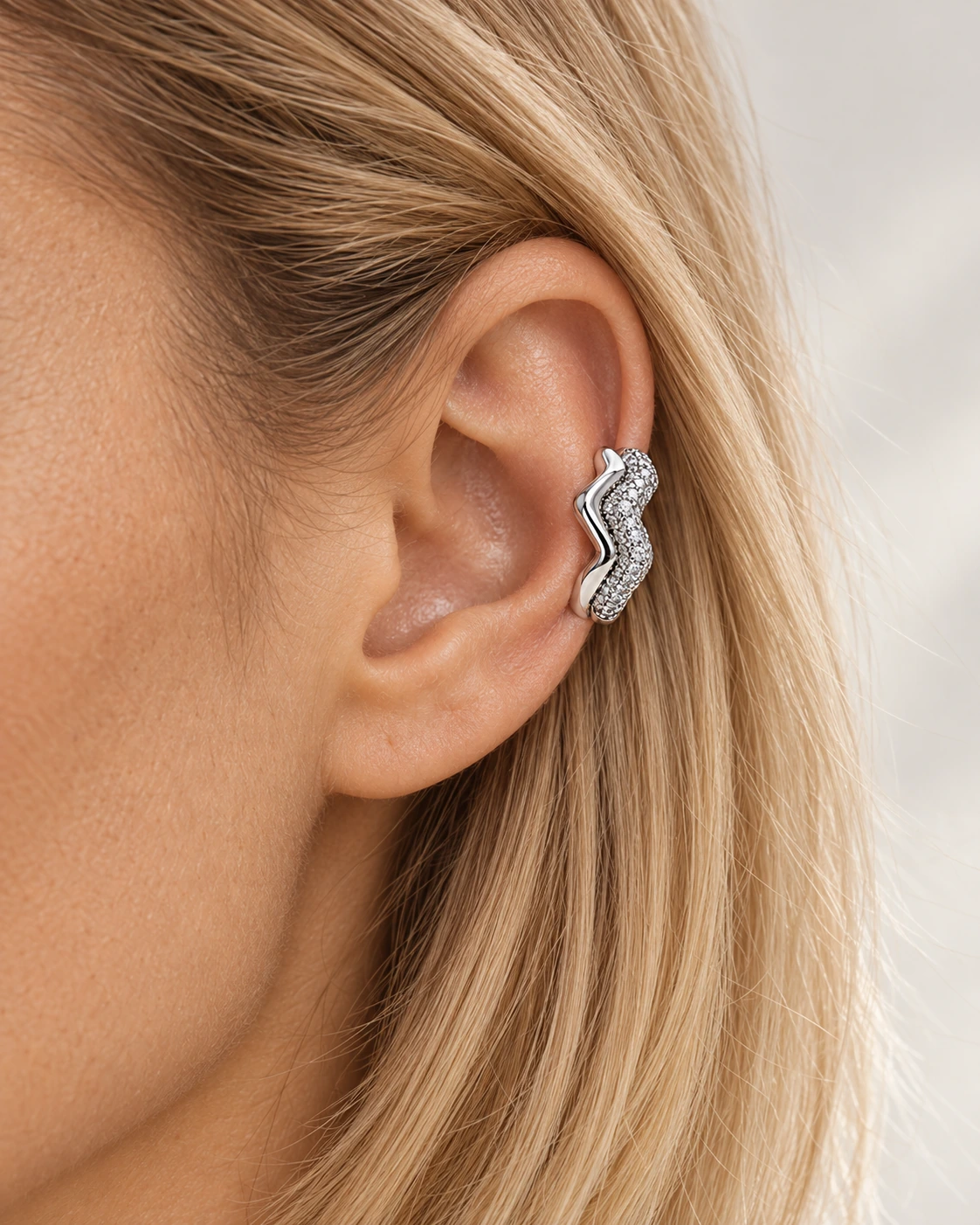
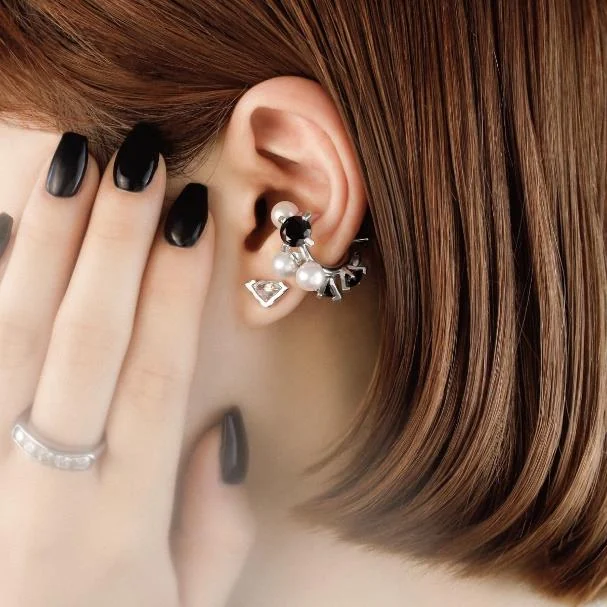
Start with the position you want the cuff to occupy. The curve of your ear, the arms of your glasses and other earrings all affect the available space. A model photo is helpful for scale and direction, while the final fit is personal.
Ear cuff styles and where they sit
A single open band grips the edge of the ear at one point. Look at its inner diameter, band width and the gap between its tips. A double cuff may look like two hoops while using a single grip. The wider decorative area takes up more space near glasses and headphones. A rear view helps distinguish two decorative lines from two separate cuffs.
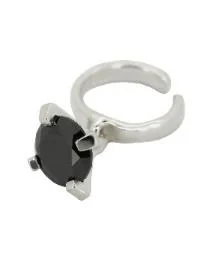
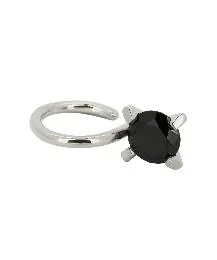
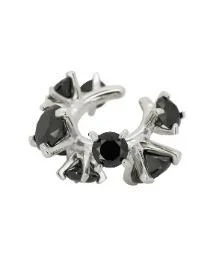
Three designs from the e.m. spring/summer 2025 collection show how the band changes the effect of a dark accent. On a broad band, the oval shares attention with the metal outline. A slender hoop draws the eye to its tip, while a row of dark settings traces the curve of the ear. If you wear a lobe earring, look at the space between its outline and the lowest point of the cuff.
Single band, double line or mini cuff?
The external Astrid & Miyu collection includes no-piercing cuffs and illusion double-band styles. The brand distinguishes standard and mini versions by the part of the ear they visually emphasise. Mini is not a universal size: ask for the inner diameter and an on-ear view. For a subtle line compare band thickness; for a stronger silhouette compare spacing and overall width.
A chain and stud: how many piercings are needed?
The Matchbox Jewellery Amber Cuff and Chain design connects an upper ear cuff to a stud in the lobe with a chain. The upper cuff needs no piercing; the lower post needs a pierced lobe. Compare the distance between your lobe piercing and the planned cuff position with the chain length. At a fitting, the chain should drape rather than pull on the stud. Check for contact with hair, glasses or a collar.
How to choose an ear cuff by shape
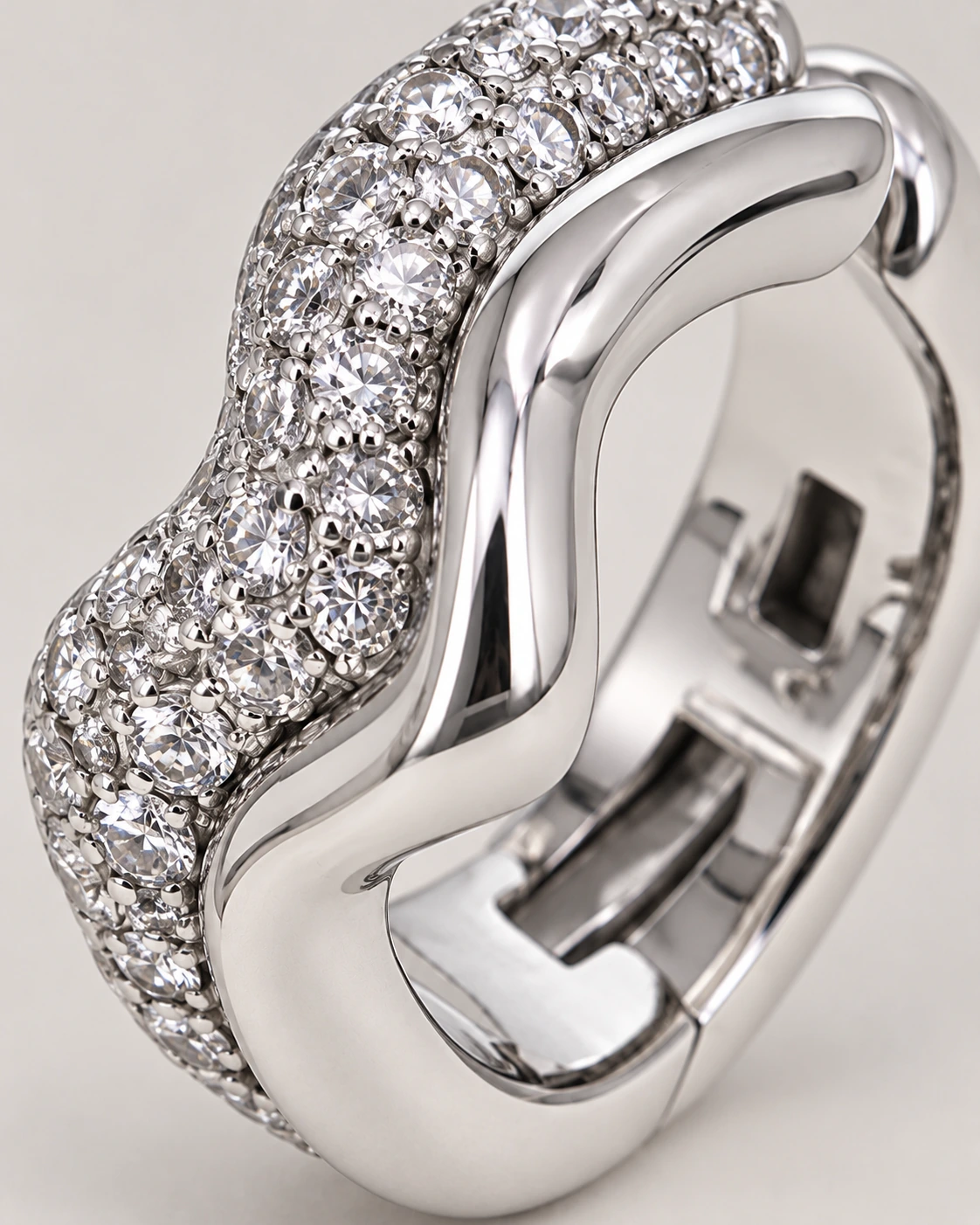
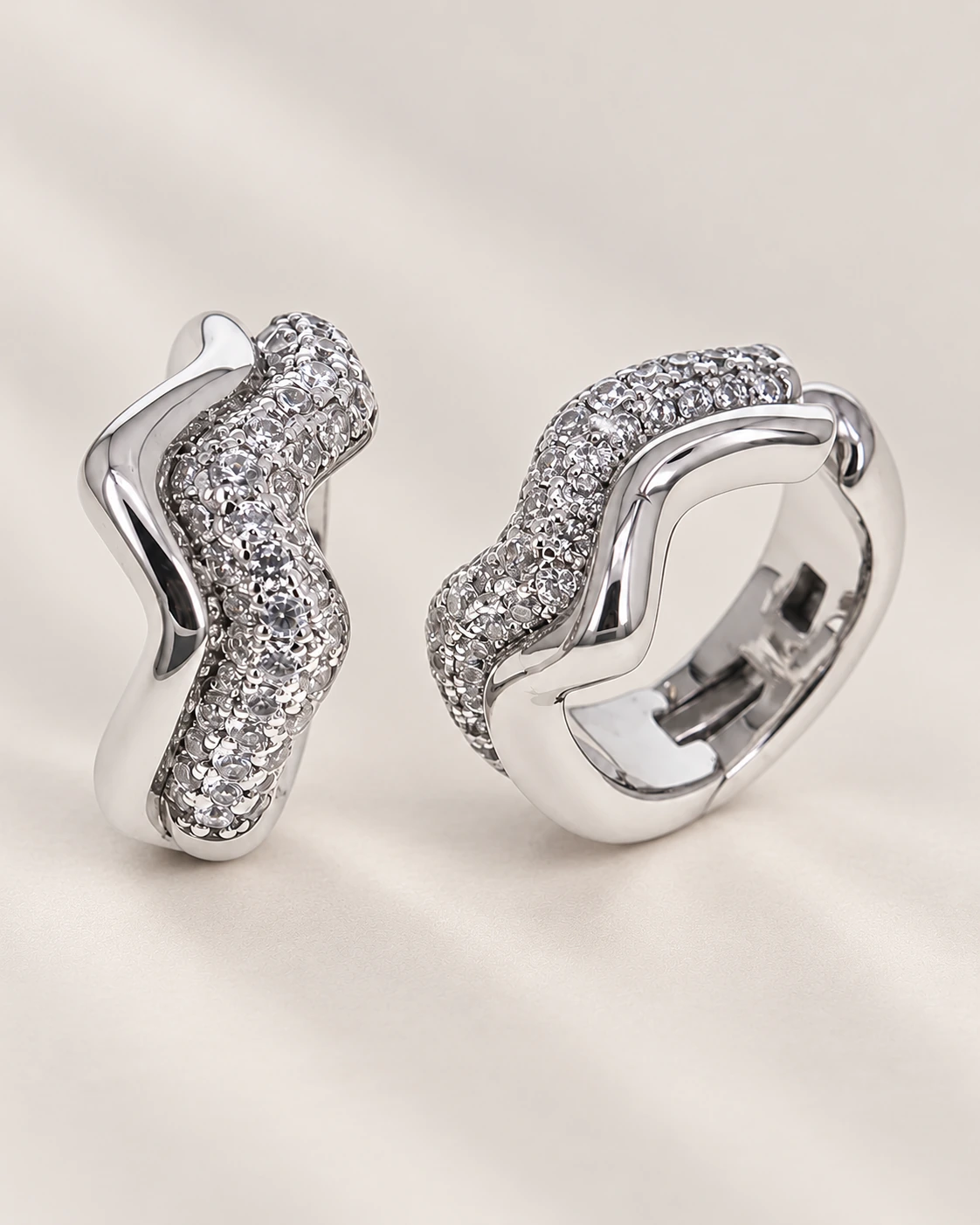
Courbe Rive follows a wave. Look at its silhouette first, then open the detail image. The outer curve shows the direction of the line; the inner surface helps you picture where it will touch the ear. If the opening is hidden, ask for a view from the other side and check whether the design is intended for a particular ear.
One cuff or a pair of earrings?
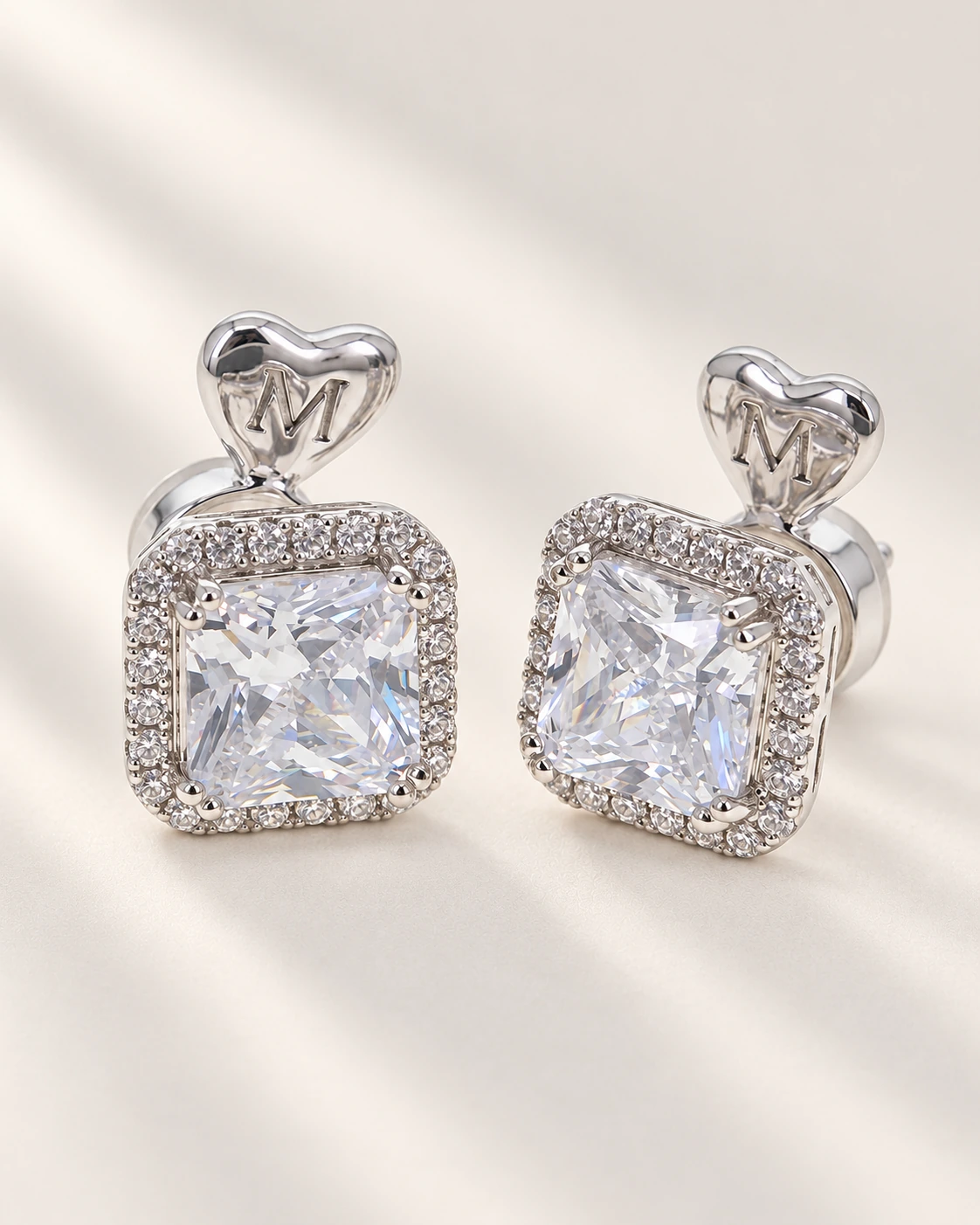
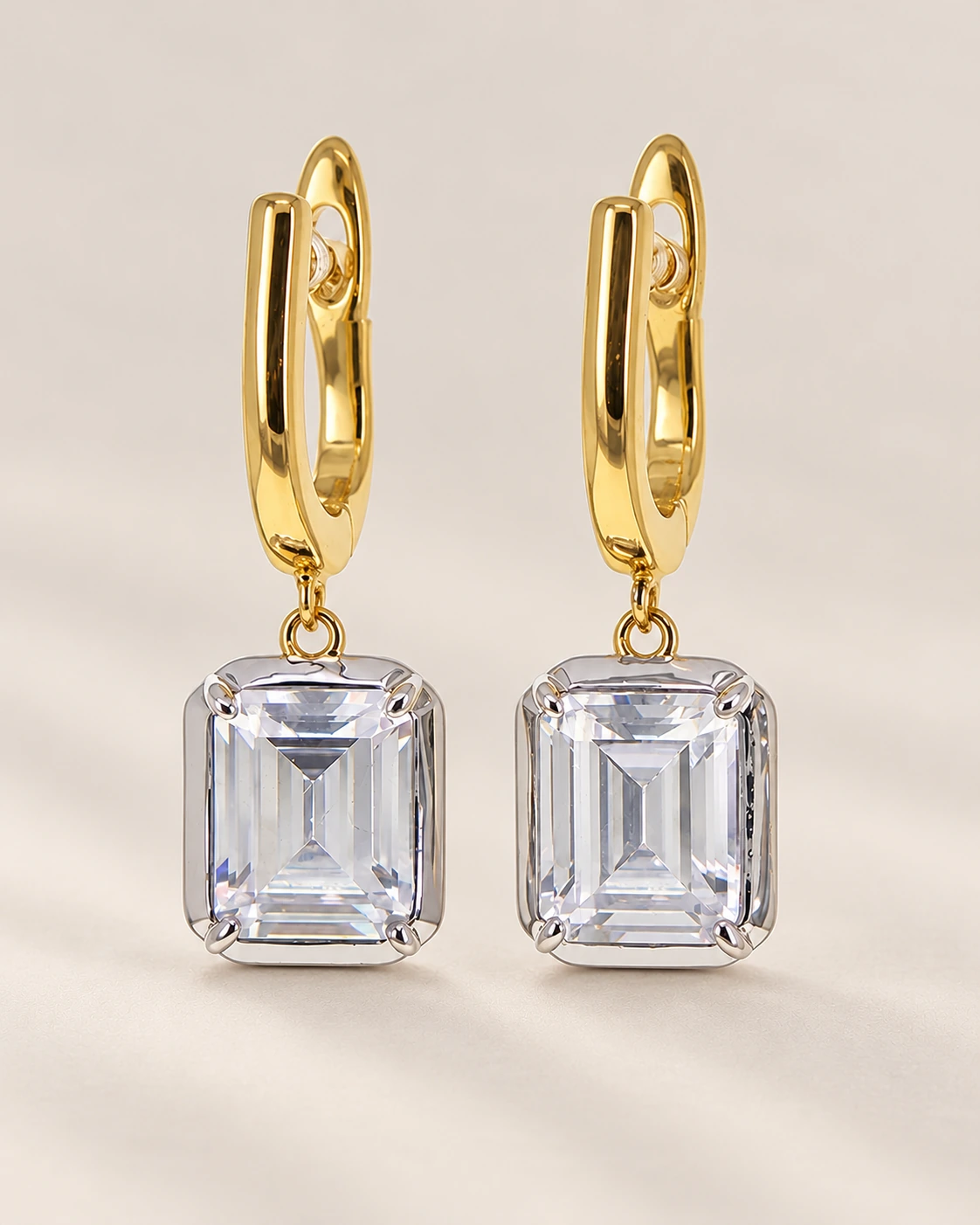
Rive is listed as one ear cuff. Lumière Recto, by contrast, is a pair of rectangular drop earrings. A photograph on one ear can illustrate either kind of listing, so read the set contents. For a symmetrical look, check that the shape can be worn on both sides and that the required quantity is available.
What to check during a fitting
Do you need a piercing? A cuff that clips onto the rim of the ear without a post can be worn without a piercing. If the design also has a post, ask where the piercing needs to be.
Ask for a demonstration with the actual design. Look from the front and side, then slowly turn your head. The cuff should stay where you put it without uncomfortable pressure. If an edge pinches or the piece slides down, remove it and ask about another position or shape. Check whether the piece is designed to be bent or tightened before adjusting it.
Wearing a cuff with lobe earrings
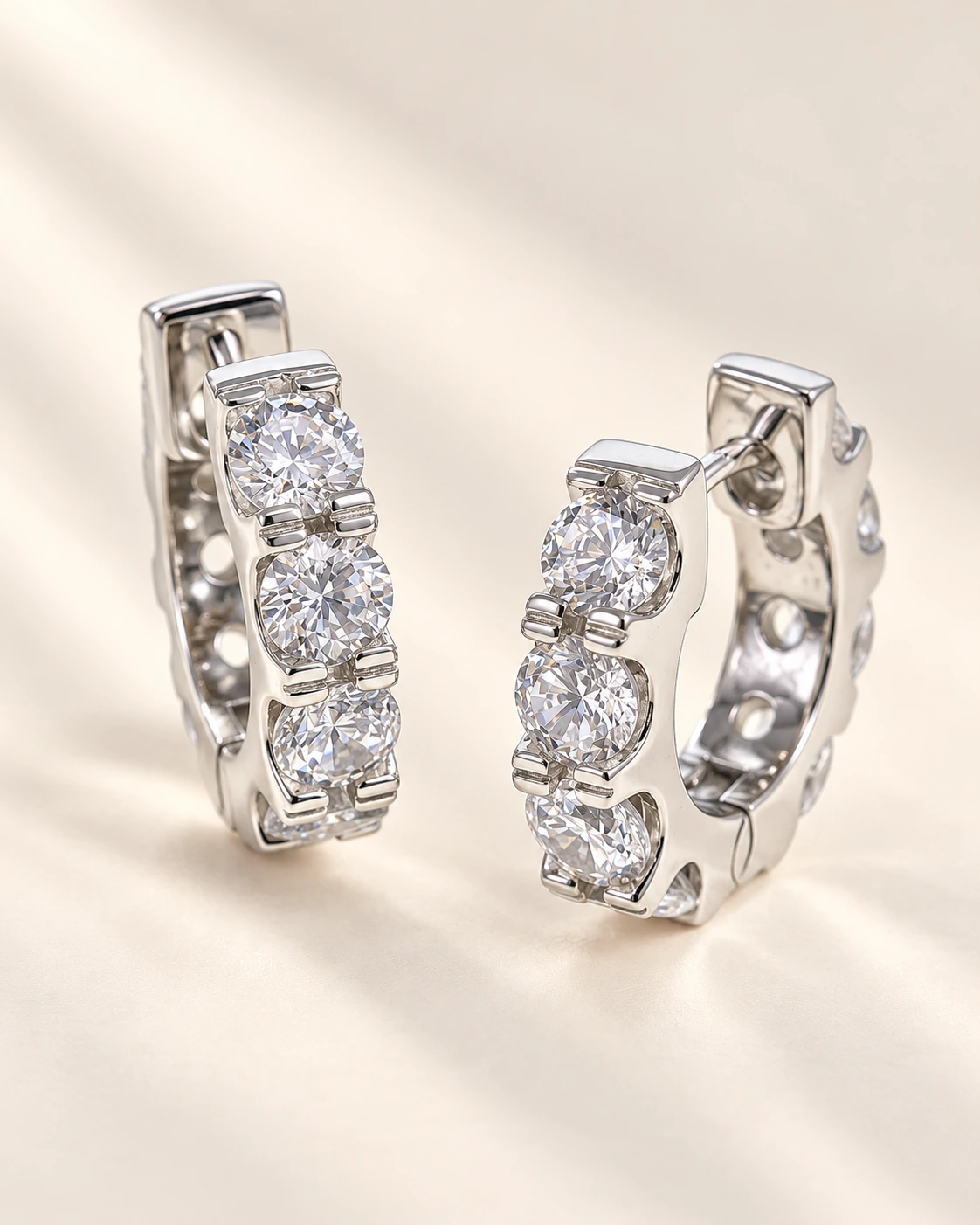
Try the cuff on its own first. Add Éclat Céleste White for a small halo at the lobe, or Rivière Épure to repeat a curved line. Check the gap in profile. If the edges touch or appear to merge, leave more space or wear the pieces on opposite ears. Try the arrangement with your everyday glasses and headphones, too.