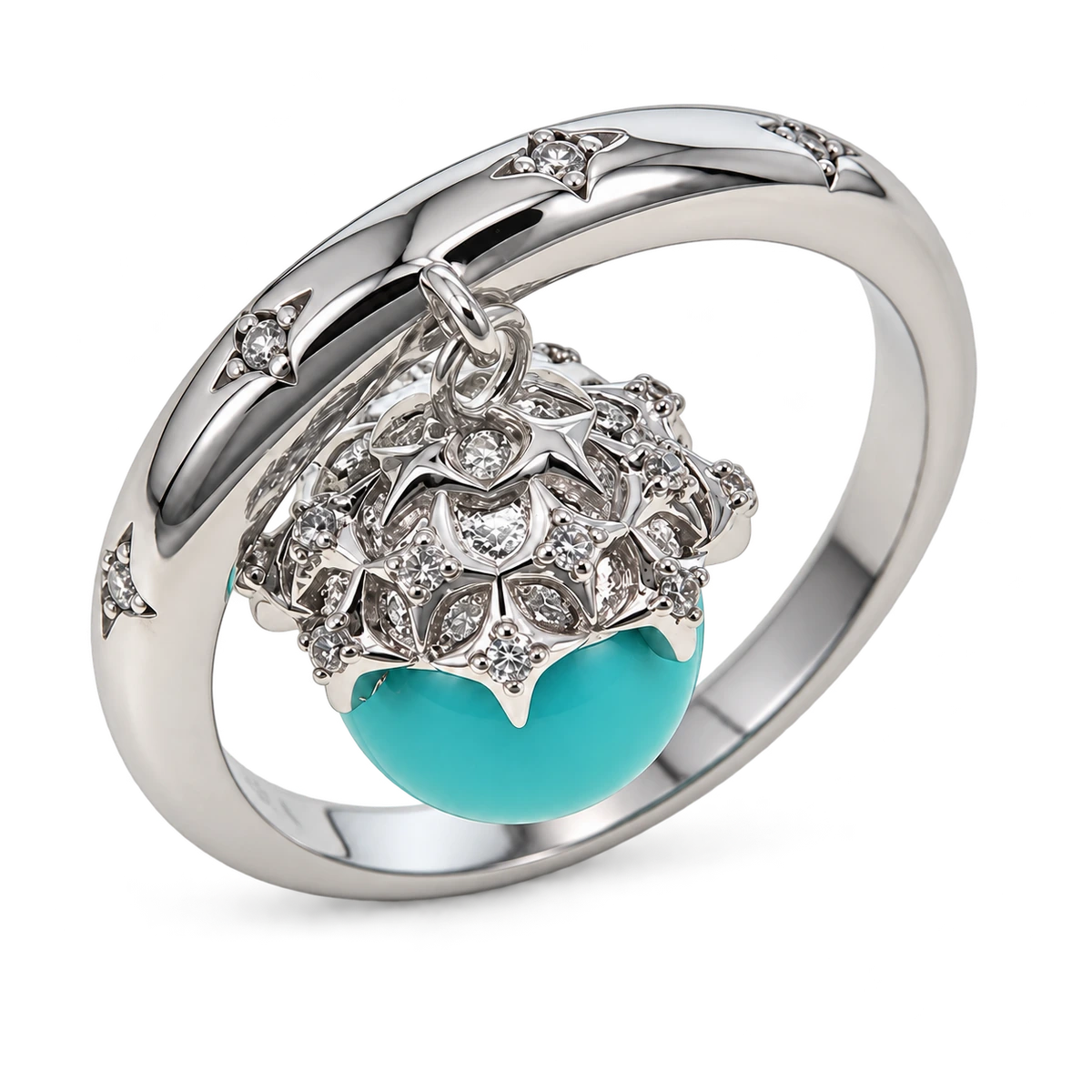
Wide or narrow ring: how to check the fit
A large setting can sit on a slender band. Before choosing a size, look at the ring from the side and from the palm as well as from above.
Maison Miréa editorial team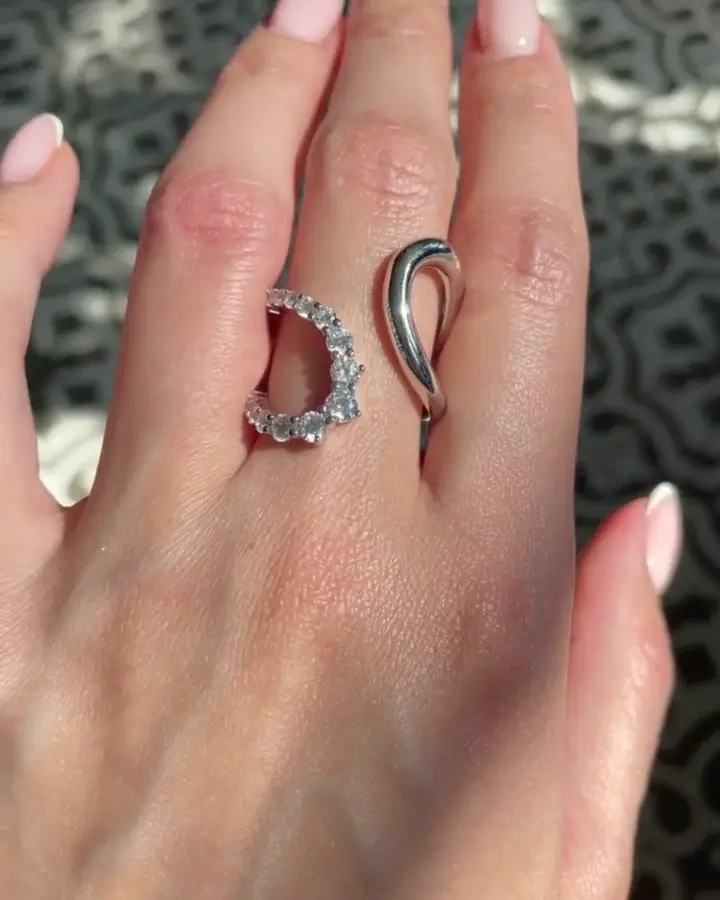
Start with the finger you plan to wear it on
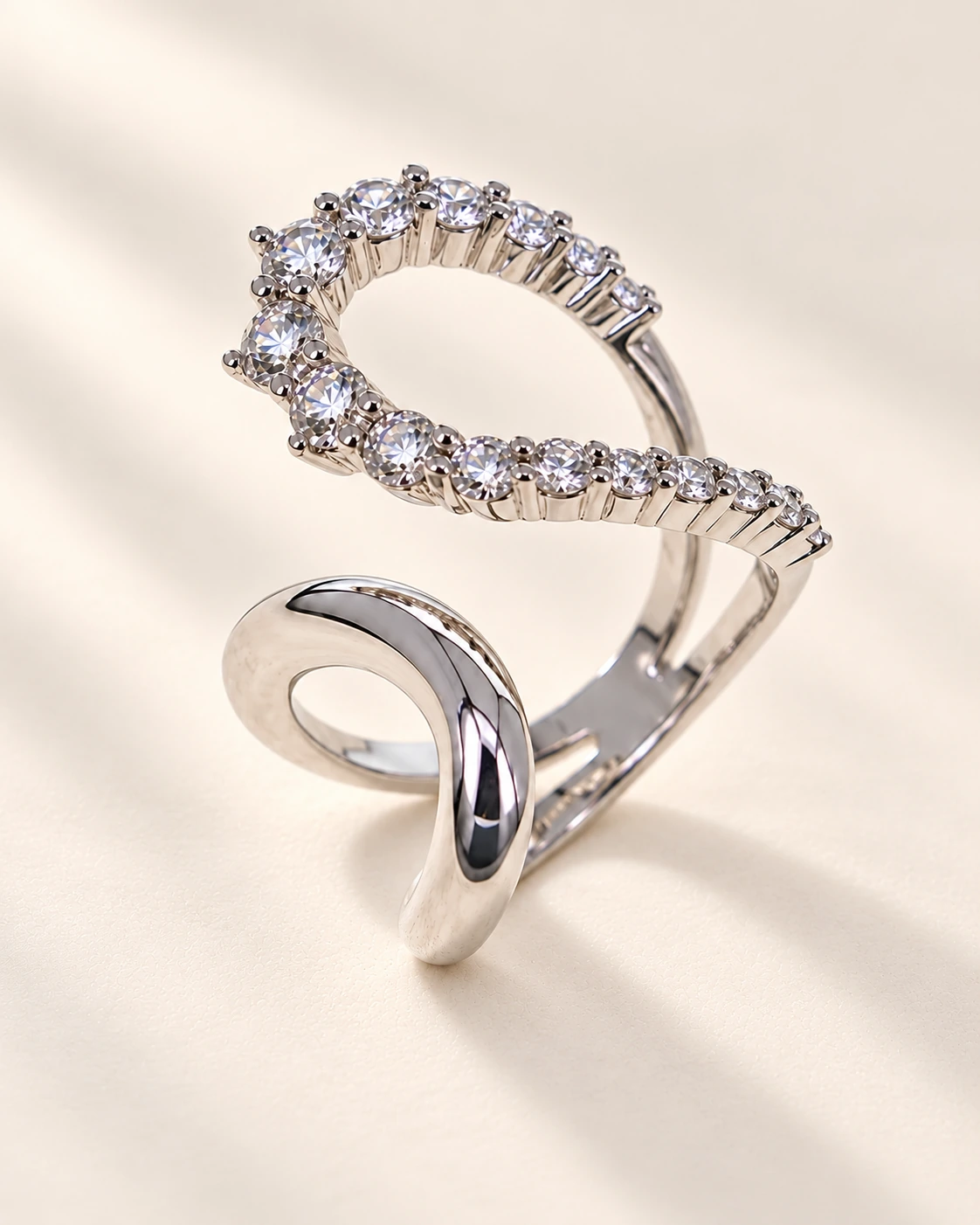
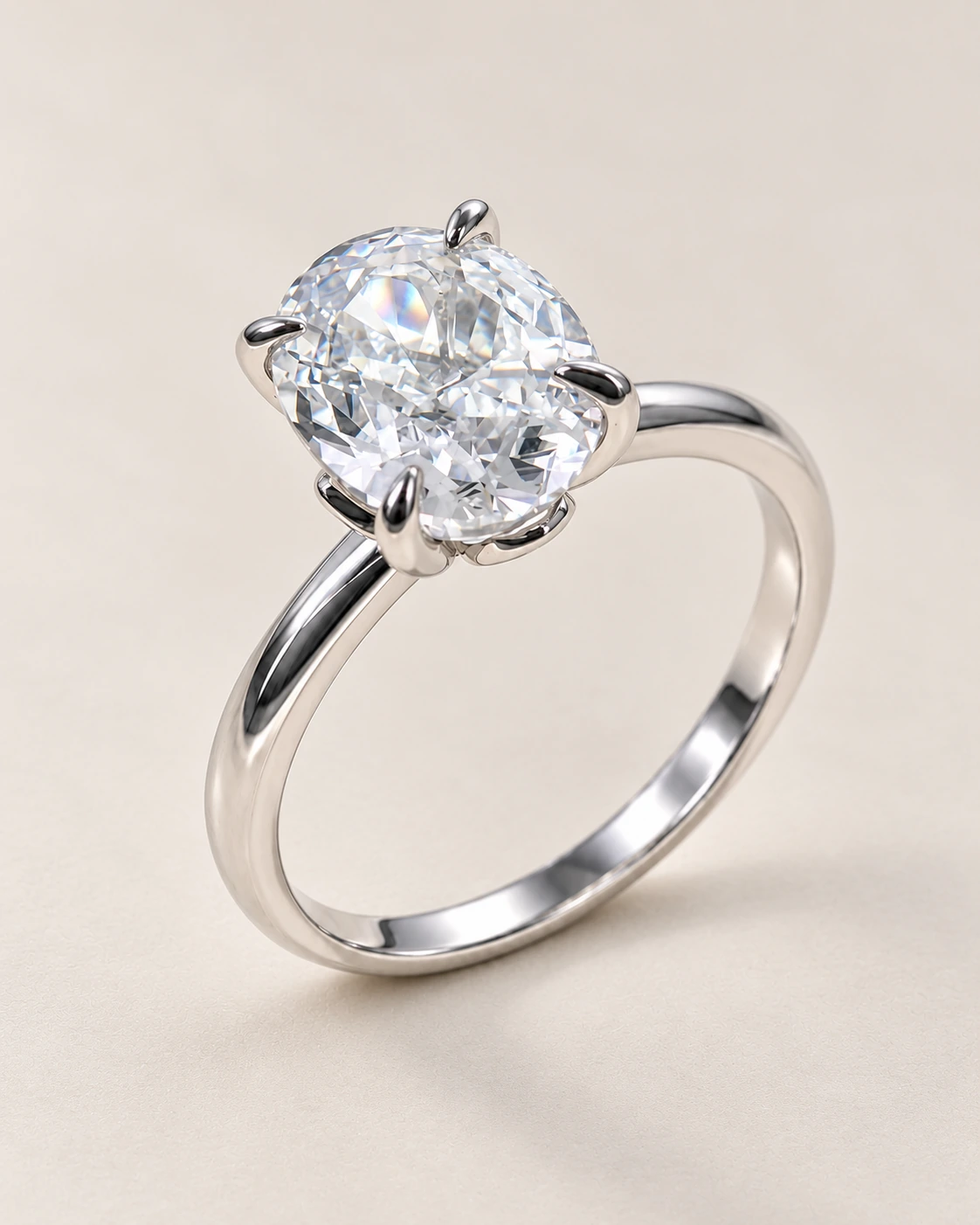
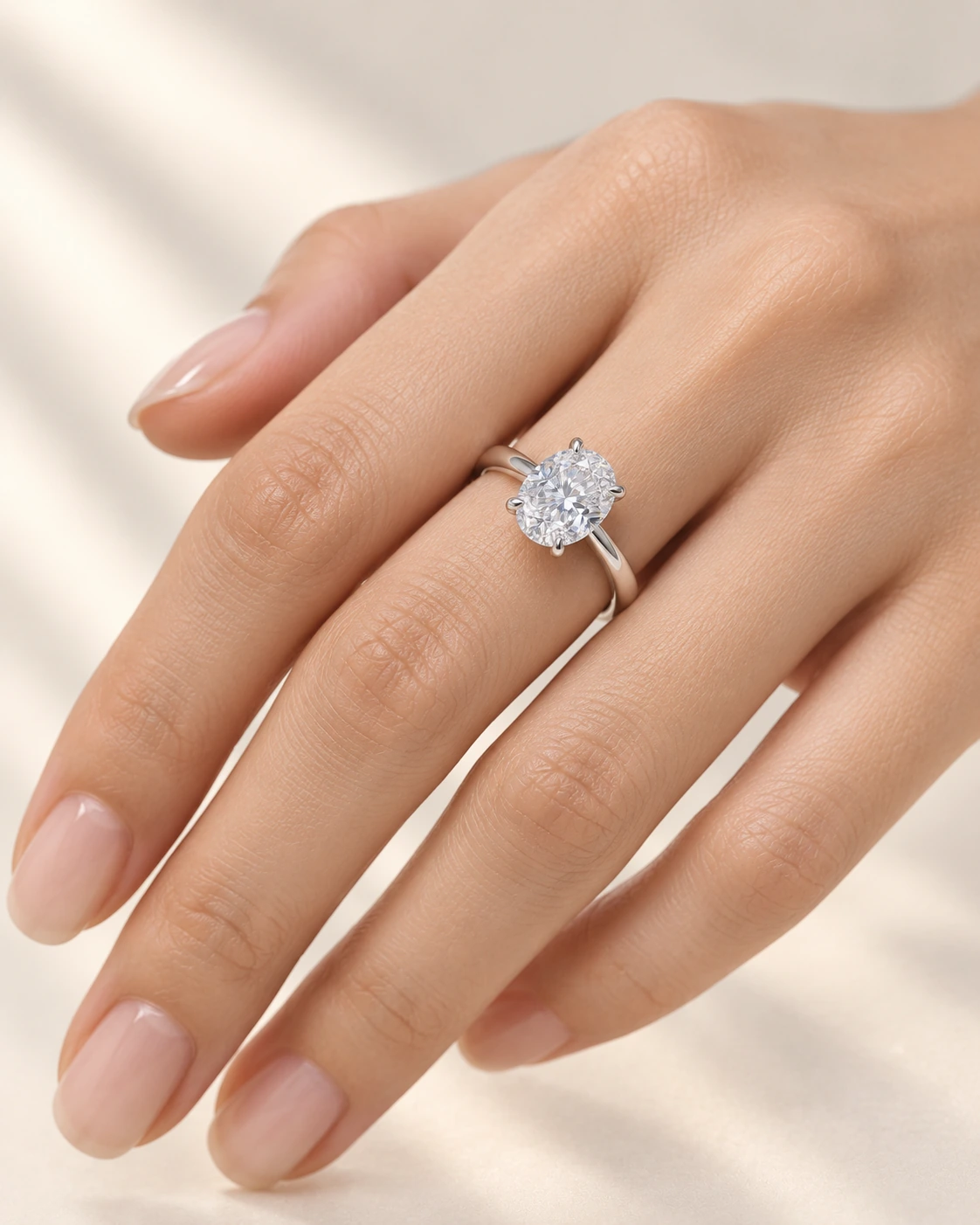
Measure the inside diameter across the centre of a ring that fits that finger on the same hand. Compare the width at the underside too. The round centre of Lumière Point draws the eye from above, while your palm feels the lower part of the band when you make a fist.
Compare the setting with the band
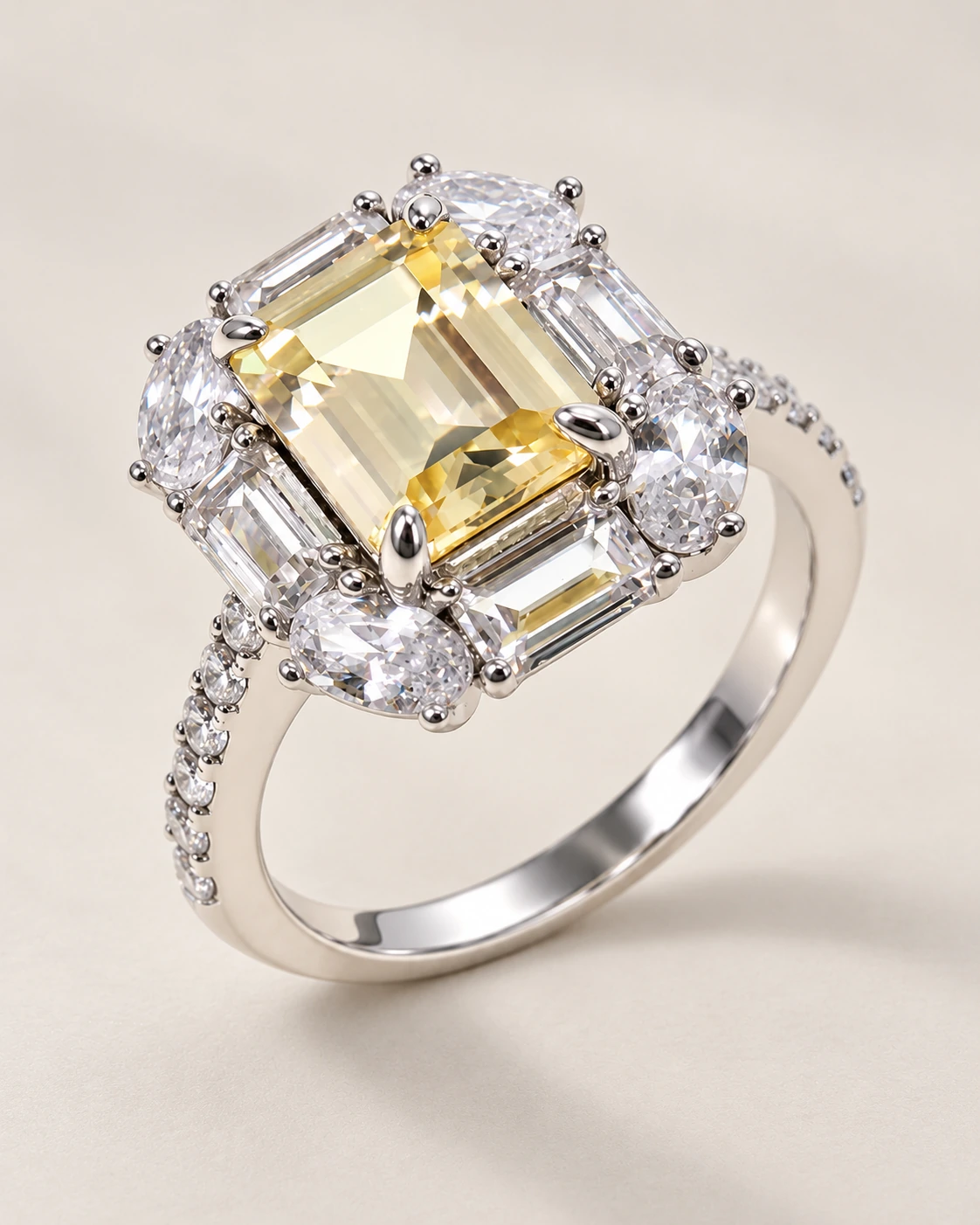
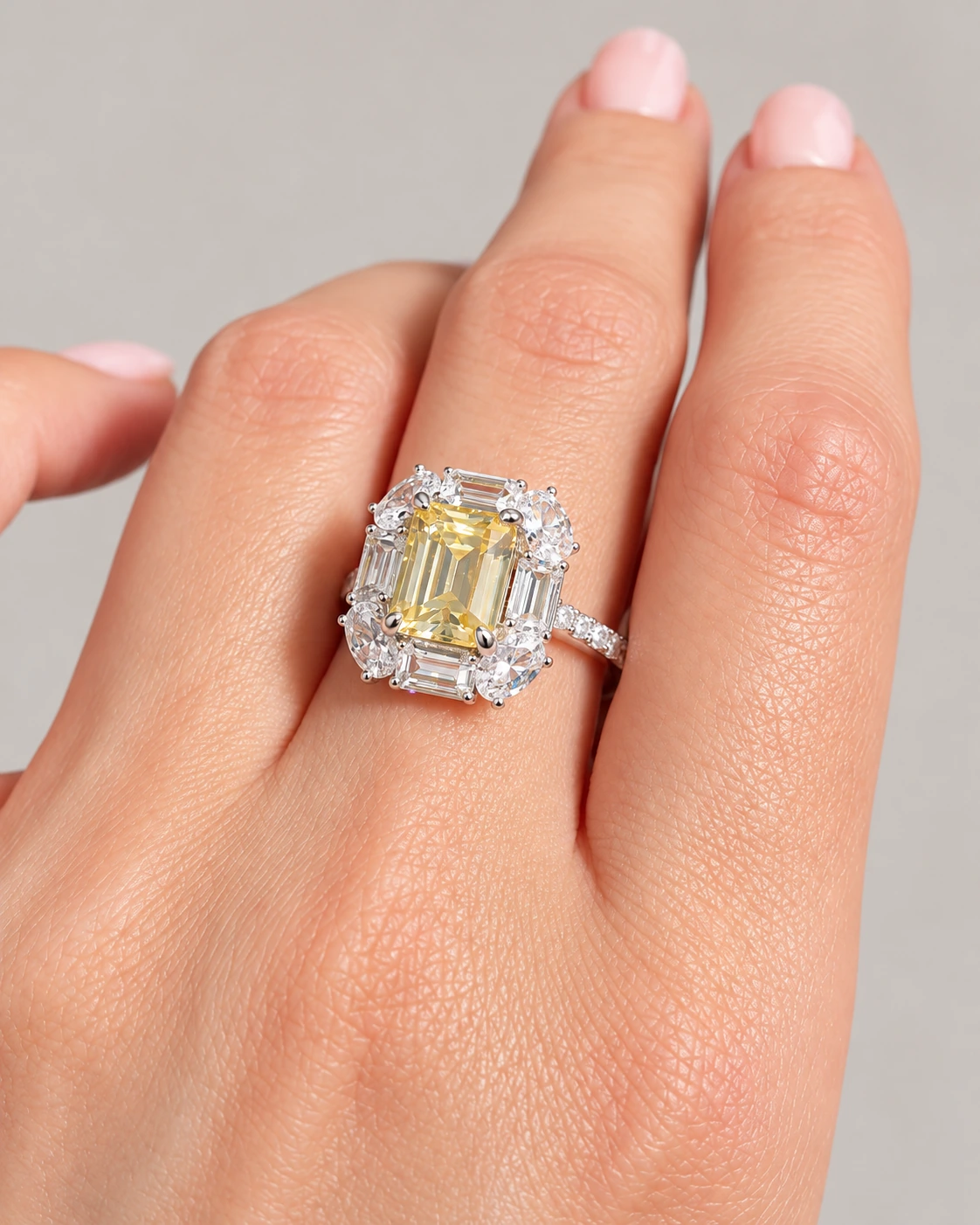
Éclat Aurélie frames a rectangular centre with a shaped halo. Bring your fingers together and slip your hand through a sleeve to see whether the setting catches. With the open shape of Courbe Onde, also check where the tips sit.
Check the knuckle and the base
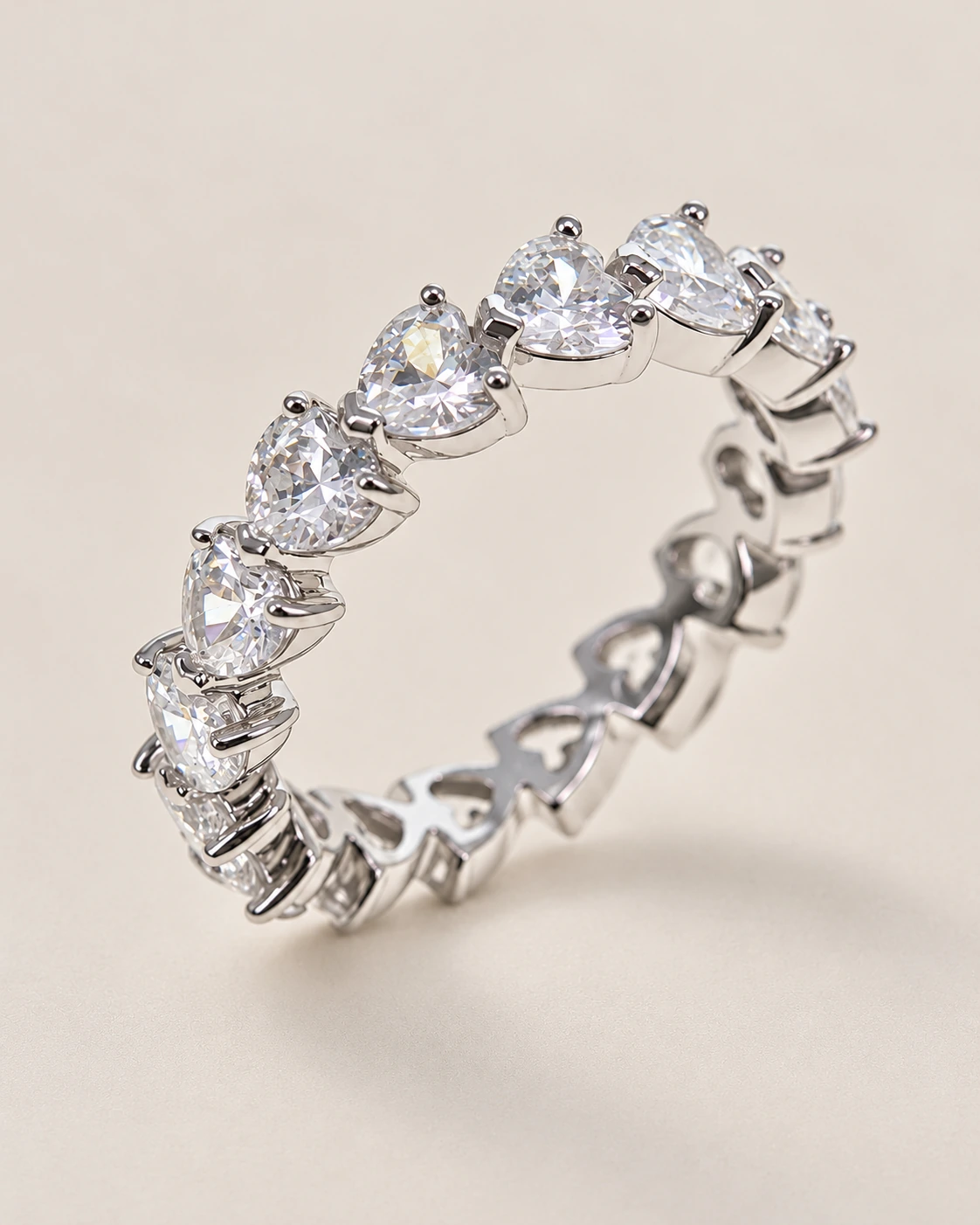
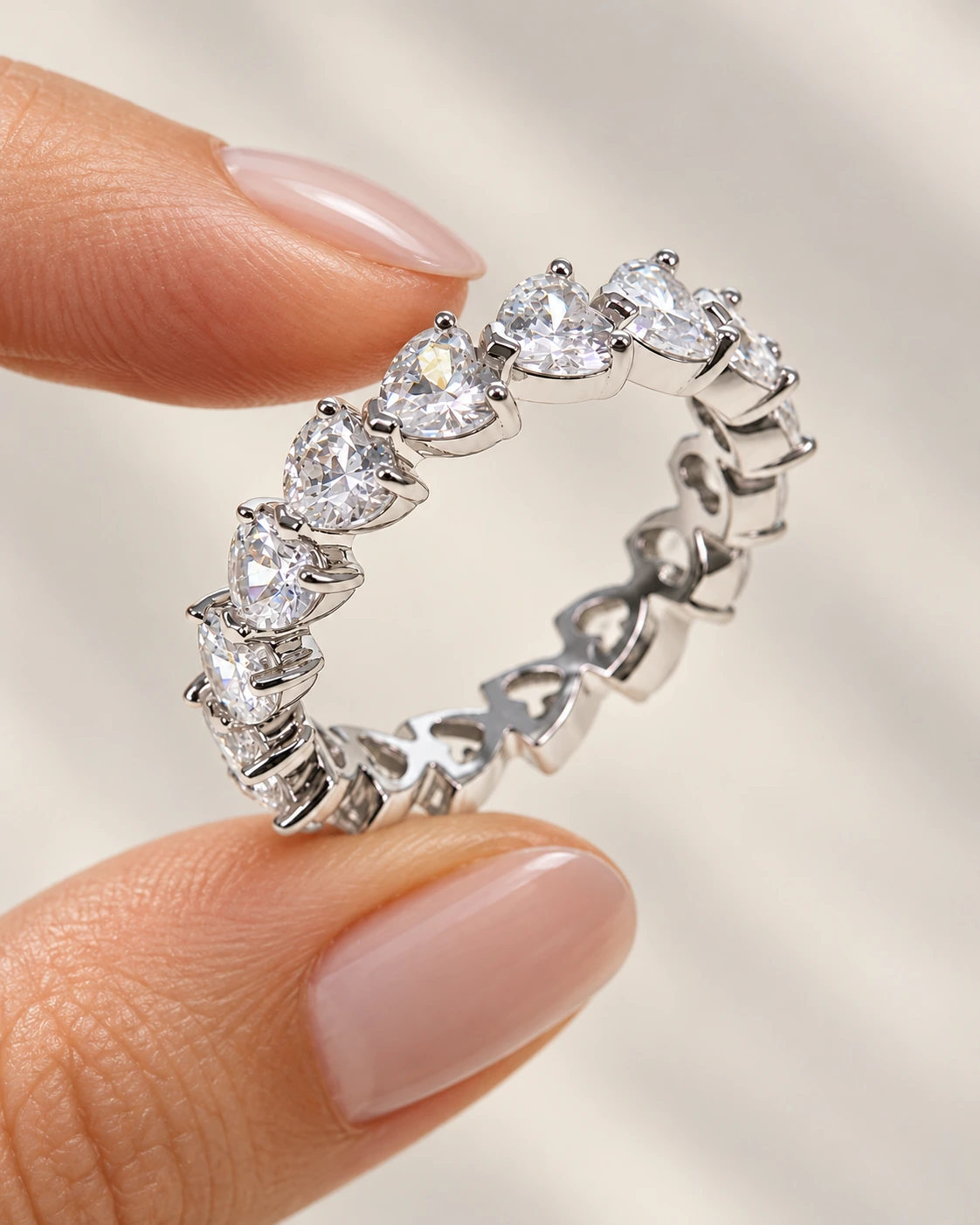
The ring should pass over the knuckle without painful pressure and come off comfortably. Try holding a cup and opening your hand. If the heart line on Rivière Cœur White or another setting repeatedly turns sideways, try another size on the same finger.
If you are between sizes
Compare adjacent sizes in the actual design. A fixed allowance for wide rings overlooks the shape of the knuckle, the inner profile and the effect of a neighbouring band. Try the rings together if you intend to stack them.
When two rings in the same size feel different
Compare a single-centre design such as Lumière Point with a line design such as Rivière Cœur White. If both come in your size, try each on the same finger. From the palm side, see where the edge of the band falls relative to the crease. Turn your hand and bend your fingers slightly. Note the precise point of contact as well as your overall sense of fit.
If the ring turns at the base yet catches at the knuckle, sizing down may make it harder to remove. Try a different profile through the same movements. Check the stated size of an open ring too: a gap between the tips alone does not establish that it is adjustable.
Two measurements to request
Ask for a side view with a ruler at the underside of the band and a straight-on view of the opening. Compare the same points on your own ring. If the band tapers towards the palm, the maximum width across the setting tells you little about how it will feel between your fingers.
Wide top or wide band?
Look at the ring from above, then turn your palm up. If only the setting is wide, check where it touches the neighbouring fingers. If the lower band is wide too, bend your finger as if holding a pen and check the crease on the palm side.
When a home measurement misleads
A ruler laid diagonally across the opening can miss its centre. Lay the ring flat and measure through its centre in two directions. If the numbers differ, avoid averaging them: the opening may be oval. Use another round ring for comparison.
A closer look